
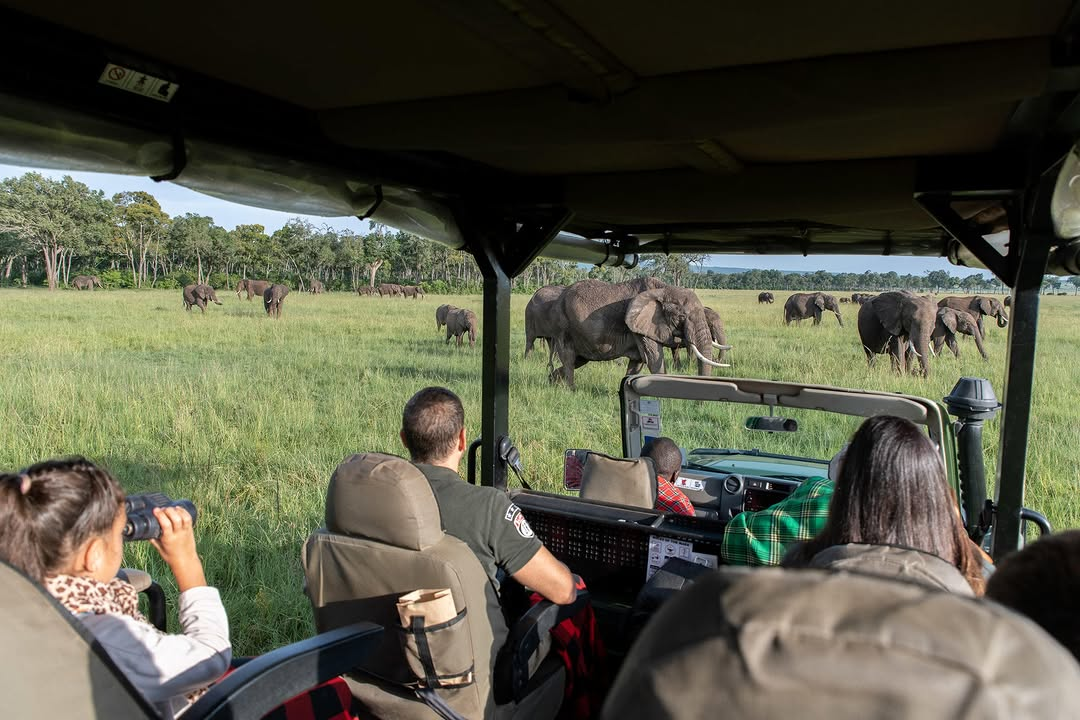
Kenya stands as one of Africa’s premier safari destinations, offering an unparalleled wildlife experience that has captivated travelers for over a century. From the iconic Masai Mara to the snow-capped peaks of Mount Kenya, this East African nation provides a diverse tapestry of landscapes, cultures, and wildlife encounters that create memories lasting a lifetime.
Why Choose Kenya for Your Safari Adventure?
Kenya’s reputation as a safari destination is built on solid foundations. The country hosts the Great Migration, one of nature’s most spectacular events, where over two million wildebeest, zebras, and gazelles traverse the Masai Mara ecosystem annually. This natural phenomenon, combined with Kenya’s commitment to conservation and tourism infrastructure, makes it an ideal choice for both first-time safari-goers and seasoned wildlife enthusiasts.
The country’s strategic location along the equator provides year-round wildlife viewing opportunities. Unlike many other destinations where seasonal variations dramatically affect game viewing, Kenya’s diverse ecosystems ensure that visitors can witness incredible wildlife encounters regardless of when they choose to visit.
Kenya’s Premier Safari Destinations
Masai Mara National Reserve
The crown jewel of Kenya’s safari circuit, the Masai Mara National Reserve offers an extraordinary concentration of wildlife in a relatively compact area. Spanning approximately 1,510 square kilometers, this reserve is home to the Big Five – lions, leopards, elephants, buffalo, and rhinoceros – along with countless other species.
The Masai Mara is perhaps best known for the Great Migration, which typically occurs between July and October. During this period, vast herds of herbivores cross the Mara River from Tanzania’s Serengeti, creating dramatic scenes of survival and predation. The river crossings, in particular, provide some of the most thrilling wildlife photography opportunities in Africa.
Beyond the migration, the Masai Mara maintains exceptional year-round game viewing. The reserve’s open grasslands and acacia woodlands support healthy populations of predators, including the famous Marsh Pride of lions and numerous leopards that have become accustomed to safari vehicles.
Amboseli National Park
Located at the foot of Mount Kilimanjaro, Amboseli National Park offers a unique safari experience with Africa’s highest peak providing a stunning backdrop. The park is renowned for its large elephant herds, which have been the subject of decades of research by conservationist Cynthia Moss and the Amboseli Trust for Elephants.
The park’s diverse habitats include dry lake beds, wetlands, and acacia woodlands, supporting over 400 bird species and numerous mammal species. The iconic image of elephants silhouetted against Mount Kilimanjaro has become synonymous with African safari photography.
Tsavo National Parks
Divided into Tsavo East and Tsavo West, these parks form one of the world’s largest national park systems. Tsavo East is famous for its red elephants, which acquire their distinctive coloration from dust-bathing in the region’s iron-rich soil. The park’s vast wilderness areas provide a sense of untamed Africa that many other parks have lost.
Tsavo West offers more diverse landscapes, including volcanic hills, natural springs, and the famous Mzima Springs, where visitors can observe hippos and crocodiles from an underwater viewing chamber.
Lake Nakuru National Park
This alkaline lake in the Great Rift Valley was once famous for its massive flamingo populations, though numbers have fluctuated due to changing water levels. The park remains an important bird sanctuary and also serves as a rhino sanctuary, protecting both black and white rhinoceros populations.
The park’s varied ecosystems, from the lake’s alkaline waters to the surrounding grasslands and forests, support a wide variety of wildlife including lions, leopards, and the endangered Rothschild’s giraffe.
Planning Your Kenya Safari Experience
Best Time to Visit
Kenya’s equatorial location provides excellent wildlife viewing year-round, but certain periods offer distinct advantages:
Dry Season (June to October): This period coincides with the Great Migration in the Masai Mara and generally provides the best game viewing conditions. Animals congregate around water sources, making them easier to locate. The dry weather also means better road conditions and clearer skies for photography.
Wet Season (November to May): While some areas become challenging to access, this period offers several advantages including lower accommodation costs, fewer tourists, excellent bird watching with migratory species present, and lush landscapes ideal for photography.
Safari Styles and Accommodation Options
Kenya caters to various safari preferences and budgets:
Luxury Lodges and Tented Camps: These offer the ultimate in comfort and service, often located in private conservancies adjacent to national parks. Many feature world-class spas, fine dining, and exclusive game viewing areas.
Mid-Range Options: Comfortable lodges and camps that provide excellent service and good locations without the premium pricing of luxury options.
Budget Camping and Basic Lodging: For cost-conscious travelers, numerous camping options and basic accommodations provide access to Kenya’s wildlife without compromising the safari experience.
Cultural Encounters
A Kenya safari offers more than just wildlife viewing. The country is home to over 40 distinct ethnic groups, each with unique traditions and customs. Visits to Masai villages provide insights into traditional pastoralist lifestyles, while interactions with other communities like the Samburu, Turkana, and Kikuyu offer diverse cultural perspectives.
Many safari operators now incorporate community-based tourism initiatives, ensuring that local communities benefit directly from tourism revenue while providing visitors with authentic cultural experiences.
Conservation and Responsible Tourism
Kenya has made significant strides in conservation, with numerous success stories including the recovery of black rhino populations and increasing elephant numbers in many areas. The country’s conservancy model, where private and community lands adjacent to national parks are managed for wildlife, has proven particularly successful.
Visitors can contribute to these conservation efforts by choosing operators that support local communities and conservation initiatives. Many camps and lodges now operate as social enterprises, directing profits toward education, healthcare, and conservation programs.
Beyond Traditional Game Drives
Modern Kenya safaris offer diverse activities beyond traditional game drives:
Walking Safaris: Led by experienced guides, these provide intimate encounters with smaller wildlife and detailed insights into ecosystem dynamics.
Night Game Drives: In private conservancies, these reveal the nocturnal side of African wildlife, including rarely seen species like aardvarks and pangolins.
Balloon Safaris: Hot air balloon rides over the Masai Mara provide aerial perspectives of the landscape and wildlife below.
Photography Workshops: Many operators now offer specialized photography safaris with expert guidance on wildlife photography techniques.
Mountain Adventures: Kenya’s highlands offer opportunities to combine safari experiences with mountain hiking, particularly around Mount Kenya National Park.
Making the Most of Your Kenya Safari
Success in safari planning often comes down to customization based on personal interests, physical capabilities, and budget considerations. Working with experienced local operators who understand the nuances of different seasons, locations, and wildlife behaviors can significantly enhance your experience.
Consider factors such as group size preferences, accommodation standards, activity interests, and any special requirements when planning. Many travelers find that a custom trip planner approach allows them to maximize their time and create a truly personalized African adventure.
Whether you’re drawn by the thundering herds of the Great Migration, the majesty of Mount Kenya’s peaks, or the intimate wildlife encounters possible in Kenya’s diverse ecosystems, this remarkable country offers safari experiences that consistently exceed expectations. The combination of exceptional wildlife, stunning landscapes, rich cultures, and warm hospitality makes Kenya an ideal destination for creating unforgettable African memories.
From the moment you first hear a lion’s roar echo across the savanna to your final sunset over the African plains, a Kenya safari provides a transformative experience that connects you with the natural world in profound and lasting ways.